Fat Kitty City
  • Home
  • About
    • About Us
    • What We Do
    • Special Thanks
  • Blog
  • Adopt
    • How to Adopt
    • Apply to Adopt Link
    • Cats for Adoption
    • Kittens for Adoption
  • Ways to Help
    • Volunteer
    • Wish List
    • Planned Giving Programs
    • Sponsor a Kitty
    • Found an Abandoned Cat?
    • Foster
  • Contact
  • Donate
  • Cat Care Tips
    • Resources

The Fat Kitty City Blog.

Keep up to date with the latest FKC news and how you can help us!

10 Signs Your Cat Loves You

4/29/2024

0 Comments

 
How do cats express their love? Whether you already are living with a kitty or are considering adopting one, you may wonder: how do cats show that they like you? Living with humans for thousands of years, cats have developed their own love language to make sure we understand their emotions, and — most importantly — to make sure we get them what they want! From meowing to purring, stretching, rolling on the floor, and puffing their tails: here’s ten signs that your cat loves you, and how to recognize them!
Picture

​1: They Groom You

​Cats are extremely social animals, and multiple sources suggest that cats see you as a part of their own cat colony. To put it in simpler terms: to them, you are an over-sized hairless cat that walks on two legs. Therefore, it’s not unusual to observe certain feline behaviors being extended to you — such as licking your hair, face, hands, or legs. This could happen right before bed, after a shower, or first thing in the morning. Whenever your cat sees fit, they might try and give you a cat bath: this is an obvious sign of love!

​2: They Nibble You

​Nibbling and playful biting are two behaviors that are very well-known among cat owners. This type of behavior has nothing to do with food — no, your cat is not trying to eat you… They are way more intelligent than that! —but instead are a sign of appreciation and affection. In some cases, especially with inexpert kittens that are gifted with particularly sharp teeth, this can become a little painful for us humans. In case your kitten nibbling on your fingers makes you uncomfortable, avoid negative reactions to not confuse them and redirect their attention to a chewy toy instead.

3: They Stare… And Blink At You

​Among cats, like for many other animals, staring and sustaining eye contact can be interpreted as a challenging or threatening behavior. If a cat is comfortable looking at you, it usually means they like you a lot. A very famous eye-contact-based cat behavior is the “cat kiss”, aka a slow blink executed whilst looking at you. Cat kisses are the ultimate sign of feline love, and it’s an honor to be showered in them! If you feel like communicating your love back to your feline friend, you can also try and replicate it when you look at them, and see if they reciprocate!

​4: They Roll On The Floor

​Whilst the dead drop is a dramatic dance performance among humans, in cats it is labeled as a sign of comfort, happiness, and availability to show affection. If your cat comes to you, rubs against your legs, and then drops on the floor and rolls on their belly, rest assured: your cat wants some attention from you, and they are unashamedly asking you to pet them! This type of behavior is observed among cats that are surrounded by humans they deeply trust.

​5: They… Provide, In Their Own Way

A lot of cat owners that allow their kitties outside are sometimes surprised to find dead birds, mice, or lizards on their doorstep (and sometimes even inside the house). Cats don’t quite understand the way a grocery store works, and if they are presenting you with their prey it might mean they are trying to teach you the way — just as they would with their own kitties. Some suggest that they are trying to provide food for you, the same way you do it for them. Cats that come from a lineage of indoor kitties are less likely to exhibit this behavior, whilst cats whose outdoorsy moms have taught them the way may want to pass on this survivalist knowledge… To you.

​6: They Meow At You

Picture
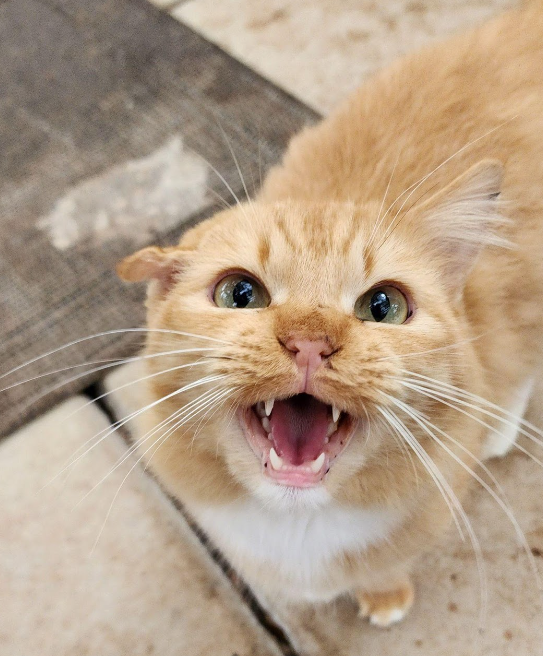
Cats don’t really meow at each other once they’ve grown out their kittenhood, but some researchers suggest that they have maintained this kittenish behavior for humans as it appeals to them. Are they in the wrong? I mean, most of the time we think a cat meowing is adorable, and more often than not cats meowing and chirping at humans get treats and cuddles, so… 
Some breeds are more talkative than others (for example, Siamese and Thai cats are known for their chattiness), and are characterized by a peculiar voice. If your cat spends time talking to you, that is to be recognized as a great sign of trust! If your cat is meowing loudly and mimicking the sound of a “cry”, you may be dealing with “yowling” instead — a sign of discomfort caused by the presence of someone they don’t like, hunger, loneliness, physical pain, or other issues.

​7: They Purr When You Are Close To Them

​Perhaps the most obvious and well-known sign of cat appreciation: purring! When a cat starts purring after you pet them, when you talk to them in a soothing voice, or simply if you sit or lay down next to them, chances are you make them feel comfortable and loved. Purring can sometimes also be a symptom of discomfort, as cats use purring as a self-soothing coping mechanism too.

​8: They Give You Gentle Headbutts

Cats like rubbing their faces against surfaces. Why? Well, cats have pheromone glands on their cheeks and chins, and they rub their faces against people and things that they like to mark their territory. This happens to neutered and fertile cats alike, and it’s their own way of saying: “I like it, it’s mine!”. That said, cats often headbutt their human companions (and other pets) to show their affection, not just to claim them as their property. Sometimes they can be a little energetic in their nudging, but it’s never a violent or harmful behavior — they’re just showing you their love and appreciation! On top of bonding, head butting is a form of self-soothing. In other words: cat headbutts are good for us, and for our feline friends alike!

​9: They Knead On You

If you’re sitting on the couch and your cat jumps on your legs and starts to knead an invisible loaf of bread, don’t fret: your cat is regressing a bit in a common kitten behavior. As kittens, cats tend to use their front paws to “knead” around their mother’s teat to stimulate the production of milk. As adults, cats regress in this behavior when they are extremely comfortable, as a way to show affection and communicate that you are officially part of the family. You thought you adopted a cat? Well… Turns out it may be the other way around, instead! 

10: Their Tail Goes Up Straight When They See You

Picture
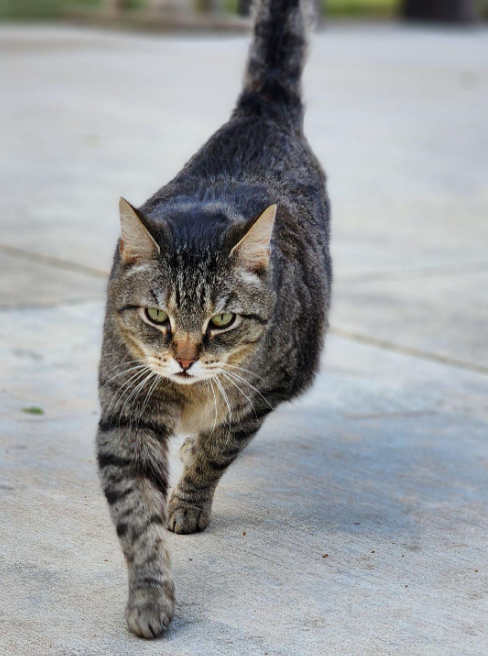
A cat’s tail is an essential part of their body to keep an eye on to get an idea of how they’re feeling. Just like in dogs, cats can express a variety of emotions through the motion or position of their tails! When a cat walks towards a loved one, it’s not unusual to see them raising their tail up straight, or forming a hook with the tip of their tail. These are tell-tale signs that your cat loves you, and is excited to see you. Oftentimes this happens when you’re serving them food, too — of course! 

​Conclusion:

​Now that you know more about cats’ love language, you can easily interpret your kitty’s behavior and tick off all these love signs from the list! With time and patience, and by regularly engaging with your furry friend, you can easily strengthen the bond with your cat and watch them become your inseparable companion, day by day!
0 Comments


Leave a Reply.

    Categories

    All
    Cat Of The Month

    Archives

    October 2025
    January 2025
    April 2024
    December 2022
    June 2022

    RSS Feed

Follow Us On Instagram @FaTKITTYCITYHS

Powered by Hirschbein Designs.
  • Home
  • About
    • About Us
    • What We Do
    • Special Thanks
  • Blog
  • Adopt
    • How to Adopt
    • Apply to Adopt Link
    • Cats for Adoption
    • Kittens for Adoption
  • Ways to Help
    • Volunteer
    • Wish List
    • Planned Giving Programs
    • Sponsor a Kitty
    • Found an Abandoned Cat?
    • Foster
  • Contact
  • Donate
  • Cat Care Tips
    • Resources